Most organizations have a workforce strategy. They also have a benefits package. But those two things are not always built together.
Employers may spend significant time refining compensation, improving the onboarding experience, strengthening company culture, and investing in employee development. Meanwhile, retirement is often handled as a separate financial decision or an administrative task that comes up once a year.
A retirement benefit should do more than exist in the background. When it is thoughtfully designed, clearly communicated, and connected to the employee experience, it can support the workforce an organization is trying to build.
The better question is not simply, “Do we offer a retirement plan?” It is, “Is our retirement strategy actively supporting our people and our business?”
Employees do not experience compensation, healthcare, flexibility, professional development, and retirement as isolated programs. Together, they shape how employees view their relationship with the organization.
Short-term benefits and workplace perks can improve the everyday employee experience. Long-term benefits communicate something different. They show employees that the company is also thinking about where they are headed, not just what they can contribute today.
A strong retirement strategy can communicate stability, shared investment, and a genuine commitment to employees’ long-term financial security.
That message is especially meaningful when it aligns with the culture a company is already working to create. An organization that says it values its people should be able to show what that commitment looks like through its compensation, benefits, leadership, and employee experience.
Retirement is one of the clearest ways to turn that promise into something tangible.
The ultimate purpose of a retirement benefit is to help employees prepare for the future. Its impact, however, can be felt much earlier and across more of the employee lifecycle.
During recruiting, retirement can strengthen the overall employment offer. Salary may lead the conversation, but candidates often compare the complete package when choosing between similar opportunities. A competitive benefit can help an employer stand out, particularly when it is explained clearly rather than buried in a list of benefits.
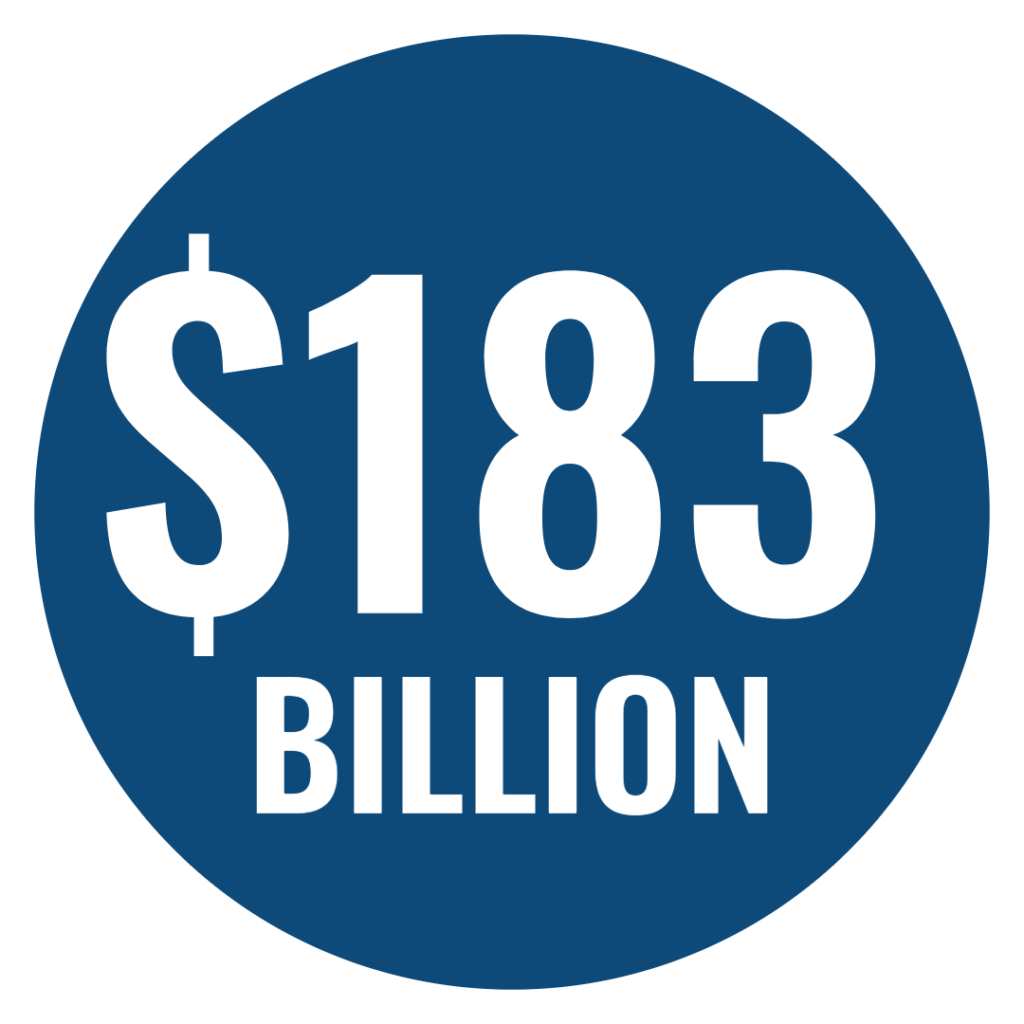
Retirement also belongs in the financial wellness conversation. Employees do not leave financial stress at the door when they begin the workday. Helping them build greater financial security can reinforce a broader culture of well-being and give them useful tools for planning ahead.
It can also support culture. Employer contributions, thoughtful plan features, and accessible education demonstrate that the company is willing to invest alongside its employees.
And while no retirement benefit can solve turnover on its own, it can strengthen the overall value of staying. When retirement complements competitive pay, development opportunities, recognition, strong leadership, and a healthy work environment, it becomes part of a much more compelling employee experience.
There is a difference between making a retirement plan available and making it meaningful to employees. Even a strong benefit can fade into the background when it is introduced once and rarely discussed again.
To deliver more value, retirement should be woven into the employee journey:
Automatic features can also make it easier for employees to begin participating and continue making progress. Education should remain clear and relevant to employees at different stages of their careers.
A useful test is simple: If you asked employees to explain the value of your retirement benefit, what would they say?
When employees understand the benefit and see it throughout their experience, retirement becomes part of the culture rather than a once-a-year administrative exercise.
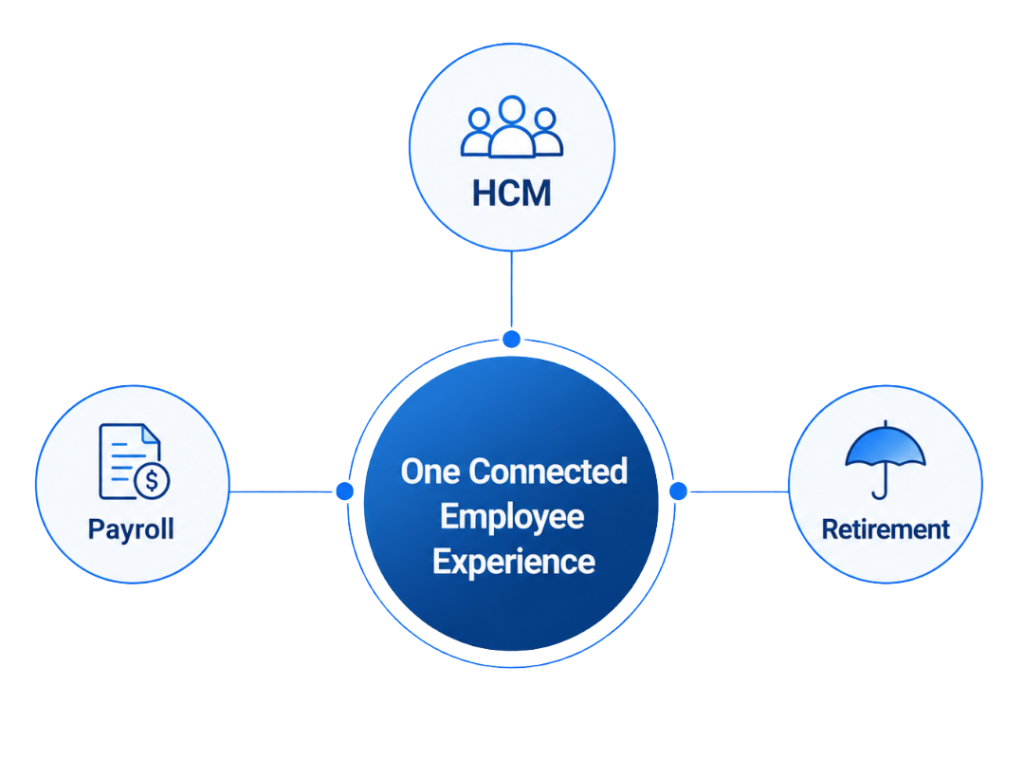
A strategic benefit should support employees without creating unnecessary friction for the HR and payroll teams responsible for delivering it.
When payroll, HR, and retirement systems are disconnected, teams may face duplicate work, inconsistent information, and more opportunities for errors. Employees can also end up navigating a fragmented experience when they need information or support.
Bringing these systems closer together can make retirement administration more manageable and help data move more reliably between platforms. That gives HR teams more time to focus on communication, engagement, and workforce planning rather than coordinating every moving piece manually.
Technology is only part of the equation. Employers and employees also need access to knowledgeable people when questions arise.
By connecting Coastal Payroll’s payroll expertise and dedicated support, isolved’s HCM technology, and 401GO’s retirement solutions, employers can create a more cohesive experience without asking their internal teams to manage every detail alone.
As you evaluate your current approach, consider a few practical questions:
The goal is not simply to check the retirement-plan box. It is to make sure the benefit supports employees, reduces friction for HR, and reinforces the organization’s broader workforce priorities.
Retirement belongs in the same strategic conversations as compensation, culture, professional development, financial wellness, and retention.
When these decisions are connected, employers can create a more cohesive employee experience while helping their people prepare for what comes next.
Retirement’s role in workforce strategy will be one of the topics explored at the upcoming Next Wave Summit. Coastal Payroll, isolved, and 401GO will bring together perspectives across payroll, HCM, employee experience, and retirement to help business and HR leaders prepare for the next wave of workforce strategy.
Join us at the Next Wave Summit to continue the conversation.