Employee scheduling looks simple on paper. Put the right people on the calendar, make sure every shift is covered, and move on. In reality, schedules rarely stay that simple.
Availability changes. Someone calls out. An employee wants to swap shifts. A manager needs to fill an opening quickly. Hours start creeping toward overtime. Before long, the schedule has turned into a mix of spreadsheets, texts, phone calls, and last-minute adjustments.
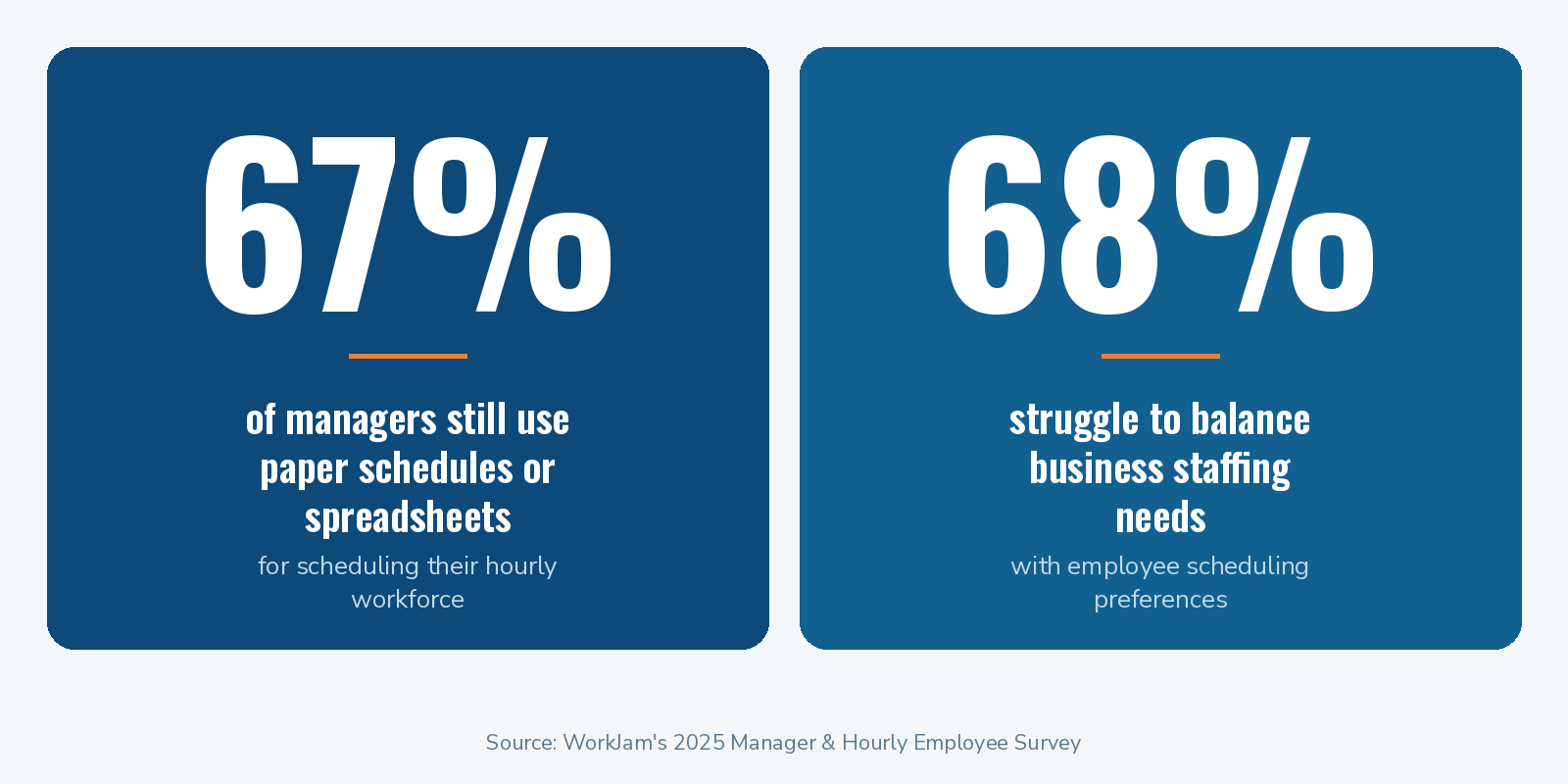
Creating the schedule is only the beginning. Managers also have to collect employee availability, respond to time-off requests, communicate changes, find coverage, approve swaps, and make sure staffing still works when something changes.
That administrative work adds up. Giving employees a structured way to manage certain scheduling needs can take some of that back-and-forth off a manager’s plate while still keeping approvals and visibility where they belong.
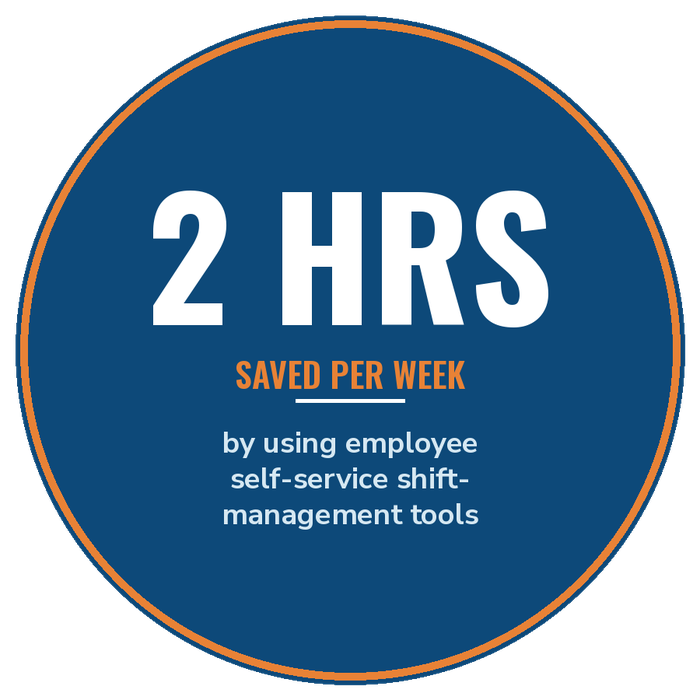
Employees want some control over when they work. Managers need enough structure to keep the business staffed. Those two things do not have to compete.
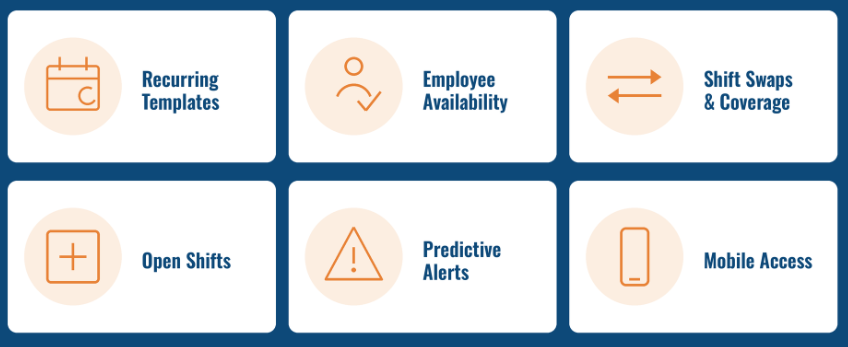
A more connected scheduling process can allow employees to submit availability, request time off, pick up open shifts, request coverage, or swap shifts with teammates. Managers can then review and approve those requests without relying on scattered texts or hallway conversations.
That matters when you consider the employee side of scheduling, too. According to Gallup’s 2023 Work Schedules Fail Millions of Employees report, 62% of U.S. employees do not have what Gallup defines as a high-quality work schedule.
A better scheduling experience will not solve every workforce challenge, but greater visibility, communication, and flexibility can make the day-to-day experience easier for both employees and managers.
Depending on the organization, certain shifts may require specific qualifications, roles, or other eligibility requirements. A smarter scheduling process gives managers a way to define who is eligible for particular shifts rather than simply filling an opening with whoever happens to be available.
That can help organizations make better staffing decisions while keeping an eye on labor needs and potential overtime.
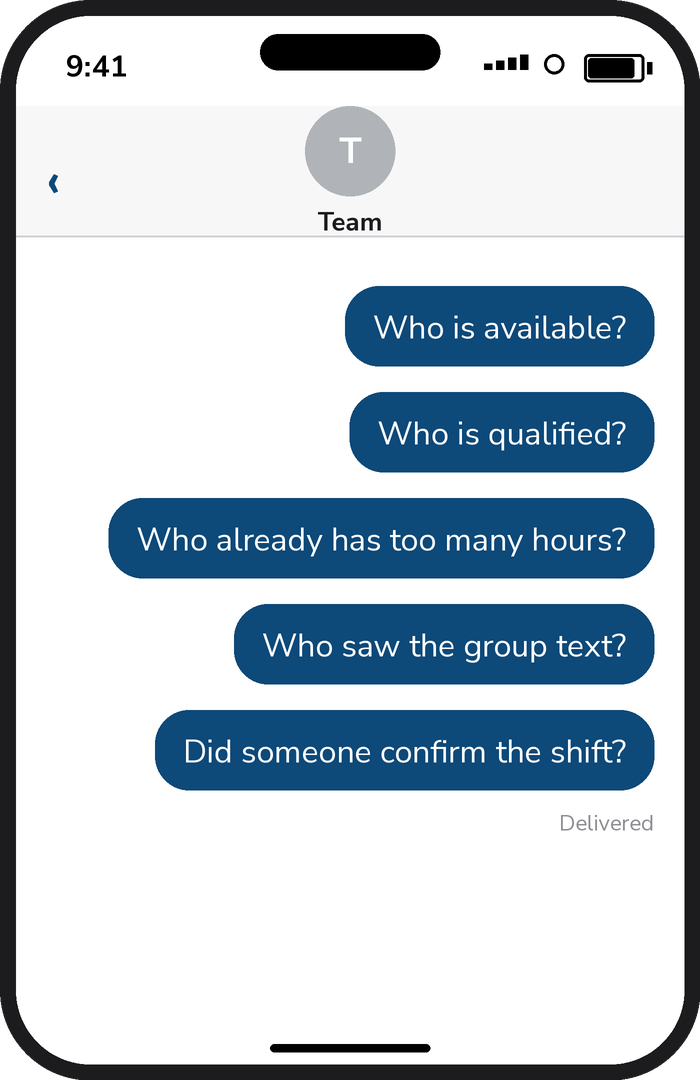
One callout can quickly create a lot of work.
Open-shift and coverage tools can give employees visibility into available opportunities and allow them to request or provide coverage through the scheduling system. Schedule changes and updates can also be communicated through email, mobile notifications, or both.
That creates a much cleaner process than tracking down employees one at a time, especially for organizations with multiple locations, shifts, or larger hourly workforces.
Being able to compare scheduled hours with actual worked hours gives managers a better view of what is happening with labor throughout the week. Predictive scheduling alerts can also help identify potential overtime and scheduling concerns before they become bigger issues.
That visibility can help managers answer an important question: Is what we planned actually matching what is happening?
When the answer is no, there is an opportunity to adjust sooner rather than finding out when payroll is already being processed.
If your scheduling process still depends on spreadsheets, bulletin boards, group texts, or a lot of manual follow-up, there may be an easier way to manage it.
Through Coastal Payroll, isolved Advanced Scheduling builds on Time & Attendance with tools designed to help managers create, manage, and communicate employee schedules more efficiently.
Because better scheduling is not really about building a prettier calendar. It’s about fewer scheduling headaches, better visibility, and giving managers and employees a simpler way to navigate the workweek.