Most organizations don’t fail their goals. They just stop measuring them in a meaningful way.
Early in the year, there’s momentum. Priorities are clear, teams are aligned, and progress feels visible. But as the year unfolds, things shift. Hiring changes. Workloads evolve. Business priorities adjust.
That’s where a reset becomes valuable.
Not as a way to start over, but as an opportunity to step back and make sure current goals still reflect what the business needs today.
Many teams have strong visibility into activity.
They know how long it takes to hire.
They know who has left.
They know what engagement scores look like.
These are important indicators, but they often exist on their own.
What is not always as clear is how those metrics connect to broader outcomes:
Without that connection, it becomes difficult to fully understand whether progress is meaningful or simply visible.
By now, there is enough data to move beyond surface-level reporting and begin identifying patterns.
The focus should shift toward understanding what is driving outcomes across the organization.
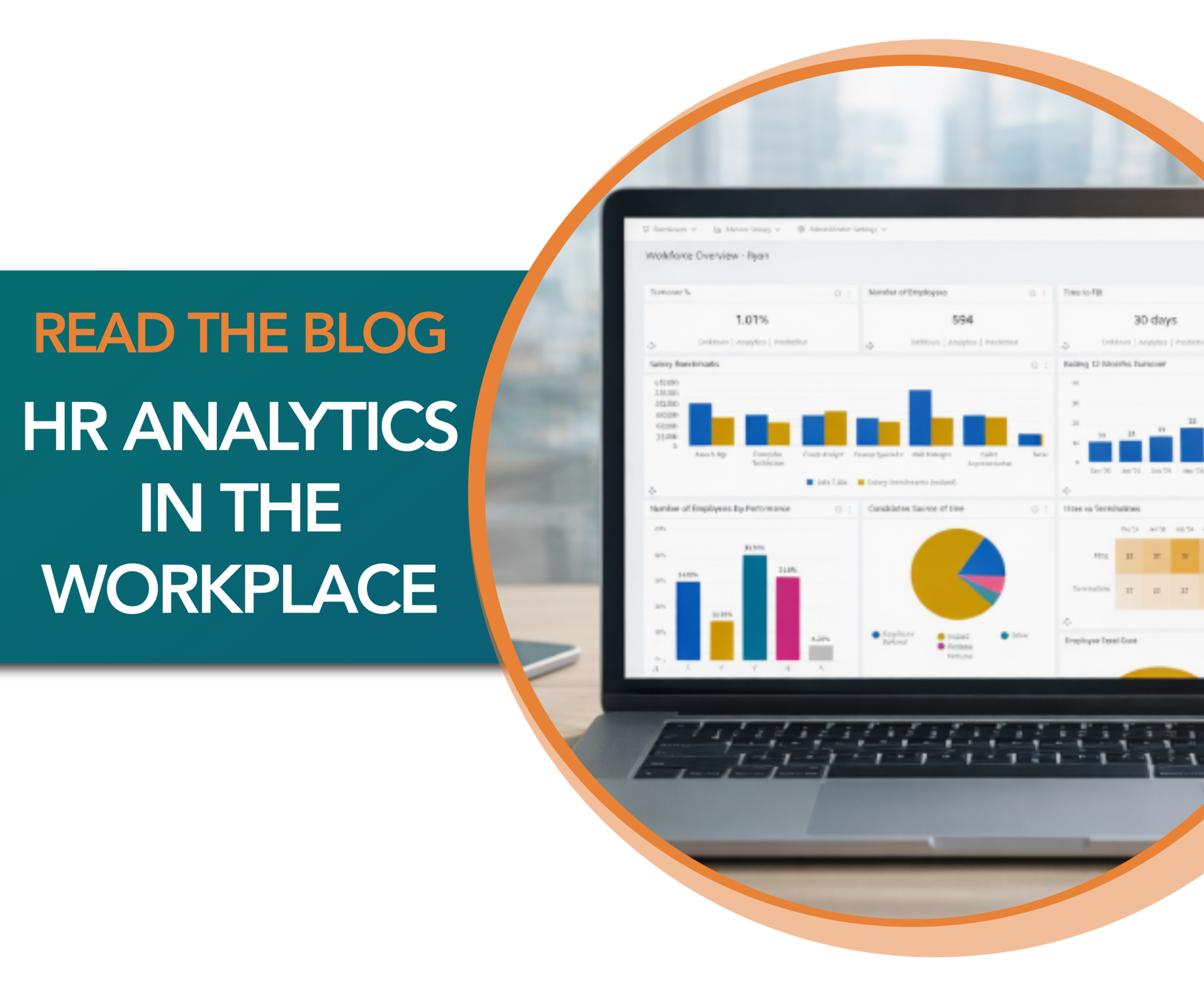
Turn your people data into better decisions
This may include:
Not all resets lead to better results.
In some cases, goals are revisited without fully reevaluating the data behind them. In others, decisions are made quickly based on immediate challenges rather than broader trends.
It is also common for data to be reviewed in silos, without connecting workforce insights to financial or operational impact.
When that happens, a reset may create movement, but not necessarily alignment.
A more effective approach focuses on alignment and clarity.
This often involves:
When goals are grounded in this level of insight, they tend to be more actionable and more relevant to the business.
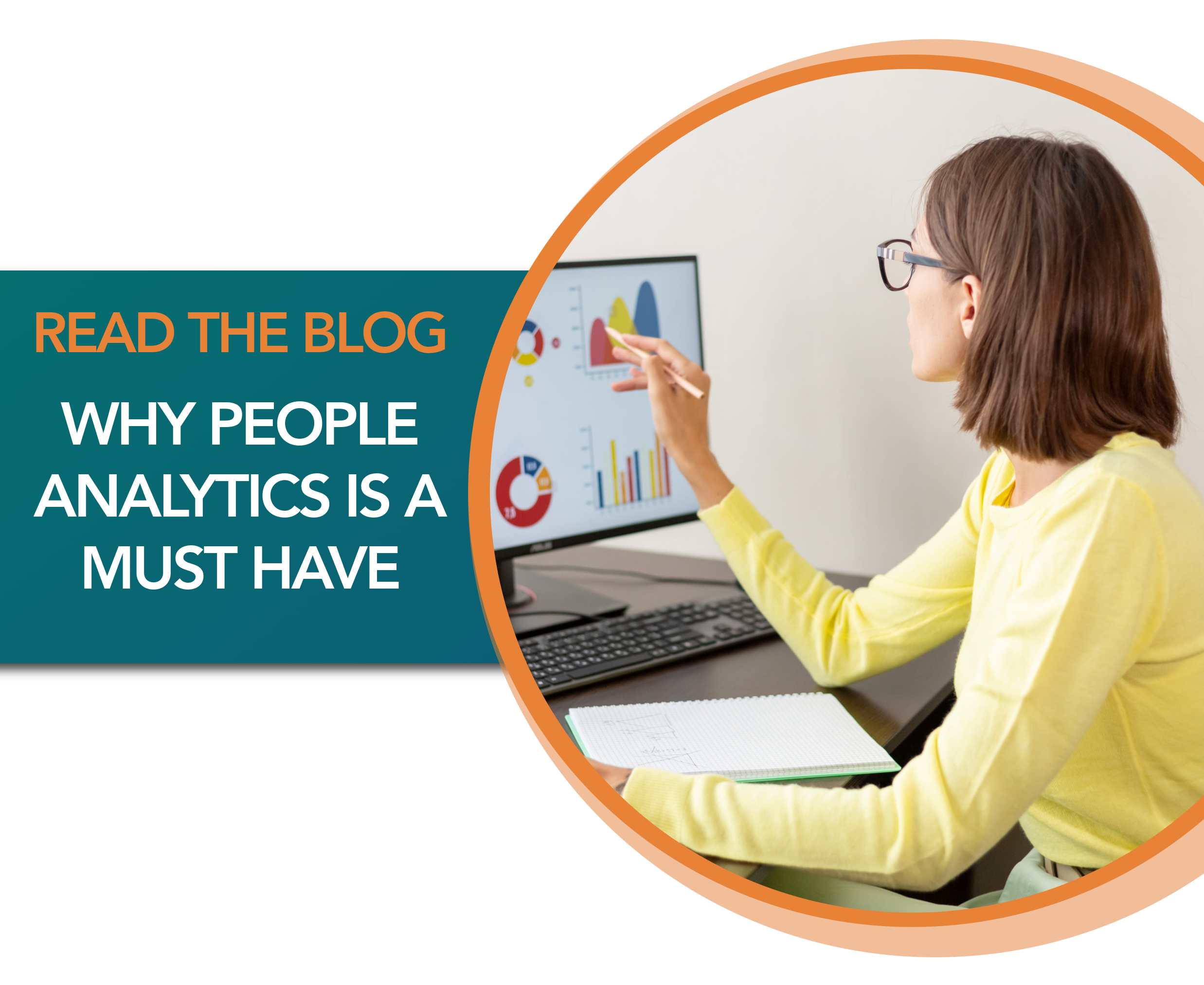
Learn 3 reasons why predictive people analytics is essential for your business
Once there is a clear understanding of current trends, the next step is building the ability to anticipate what may come next.
Many organizations have access to workforce data, but not always the time or tools to fully analyze it. As a result, decisions often remain reactive.
With the right visibility, teams can begin to:
Tools like Predictive People Analytics are designed to support this shift by bringing workforce data into one centralized place and making it easier to analyze and apply. Organizations can track trends over time, use predictive modeling to explore different scenarios, compare internal data to benchmarks, and set more informed targets based on real insights.
Reach out to learn more about predictive people analytics.