Creaking floors, flickering lights, mysterious noises. We all know the signs of a haunted house. But what about the signs that something isn’t quite right with your HR practices?
Compliance issues have a way of hiding in outdated policies, everyday habits, and processes nobody has questioned in years. And while they might seem harmless now, they can come back to haunt your business when you least expect it.
This Halloween, we’re shining a flashlight on four common HR compliance ghosts California employers should keep an eye on before heading into 2027.
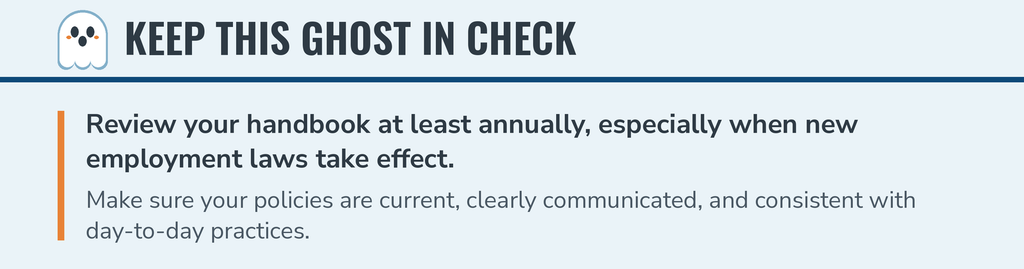
When was the last time you gave your employee handbook a good look?
A signed acknowledgment doesn’t automatically protect your business if policies are outdated or don’t reflect what’s actually happening in the workplace.
Maybe your time-off policy has changed, but your handbook hasn’t. Or managers are handling situations differently than your written policies suggest.
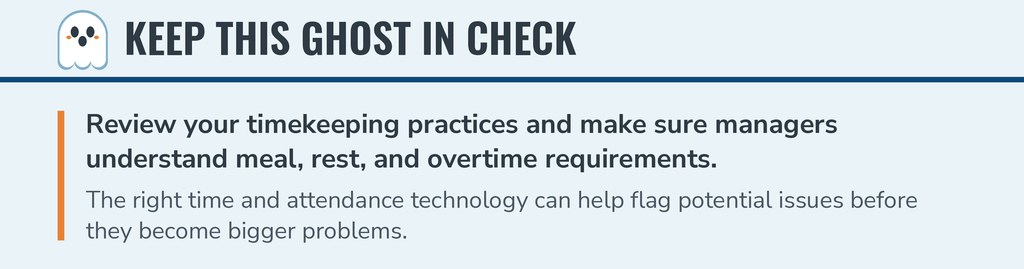
Between busy schedules and shifting workloads, meal and rest breaks can easily become an afterthought. But in California, small timekeeping mistakes can lead to significant wage and hour exposure.
A few red flags to watch for:
California requires an unpaid 30-minute meal period for nonexempt employees working more than five hours, subject to certain exceptions, along with paid rest periods based on hours worked. Missed or noncompliant breaks can trigger premium pay obligations.
Learn more about our time and attendance technology
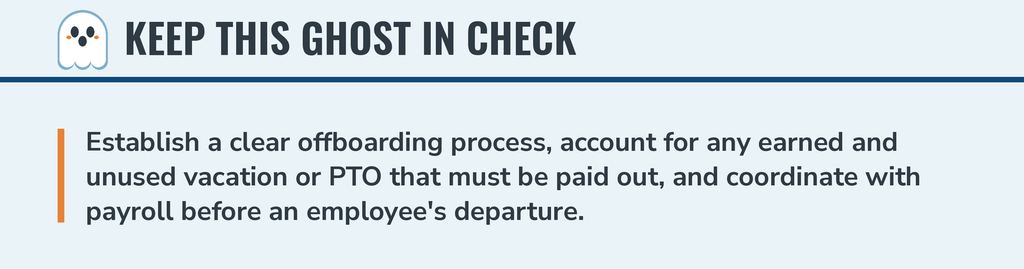
Some things shouldn’t linger, and an employee’s final paycheck is one of them.
California has strict deadlines for issuing final wages:
Missing these deadlines can result in waiting time penalties equal to 30 days of wages when final wages are not paid timely.
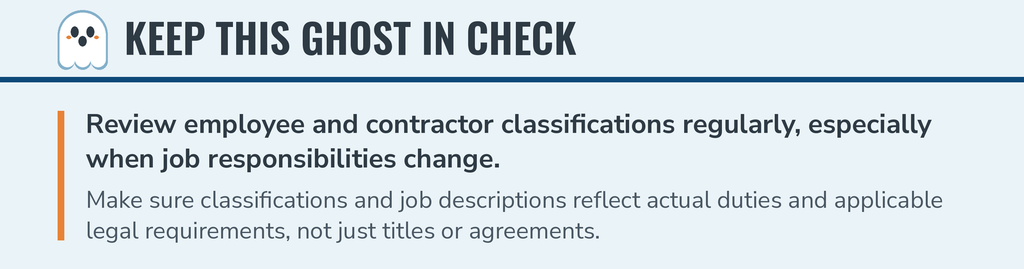
Sometimes things aren’t quite what they appear to be, especially when it comes to employee classification.
A manager title doesn’t automatically make someone exempt from overtime, and calling someone an independent contractor doesn’t necessarily make them one. Misclassification can lead to unpaid wages, tax issues, and other employment law consequences.
Here’s the tricky part: compliance issues rarely travel alone.
An unpaid meal period premium, for example, could also raise questions about wage statements, final pay, and additional penalties. California’s Private Attorneys General Act (PAGA) can create further exposure when certain Labor Code violations affect multiple employees.
The takeaway? Small gaps are worth addressing before they become bigger issues. For more on California employment law risks, check out our blog, Avoiding the Risks That Sink Businesses.
Halloween isn’t the only thing right around the corner. New employment law requirements are coming in 2027, and now’s the time to get familiar with what’s changing.
Join Coastal Payroll for our 2027 Employment Law Update webinar on December 3 at 10 AM PT. We’ll cover important federal and California updates, including wage and hour requirements, employee classification, and workplace policies.
Register for the 2027 Employment Law Update
You can’t predict every HR challenge, but having the right guidance and processes in place can help you stay prepared.
With Coastal Payroll’s HR Elite, businesses have access to dedicated HR Advisors who provide practical guidance on workplace policies, employment requirements, and everyday HR questions. Because the only thing that should be haunting your business this Halloween is the office decorations.